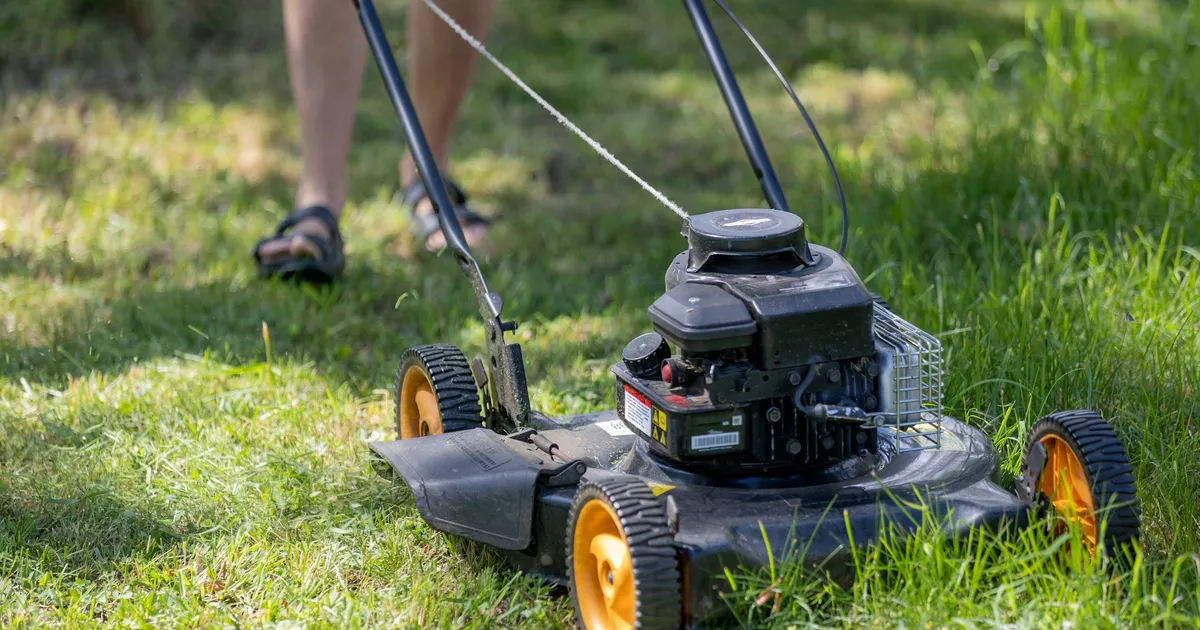
Best UK Cordless Lawn Mowers 2026: Bosch vs Flymo vs EGO
Table of contents
The UK cordless mower market in 2026 splits cleanly into three camps. Flymo sells cheap, light push mowers for small gardens — the kind most British front lawns actually need. Bosch sells a battery ecosystem: buy one mower and the same packs run your drill, hedge trimmer and strimmer. EGO sells prosumer 56V kit that genuinely rivals petrol on power, aimed at people with a real expanse of grass to manage.
This guide is for the buyer choosing their first proper battery mower, or moving off a corded electric or ageing petrol. The picks below are the ones consistently stocked by UK garden centres and recommended in Which? and enthusiast forum roundups — chosen by garden size and by which battery ecosystem makes sense for you, with the trade-offs of each made explicit. The corded-vs-cordless argument is over for most gardens; the real decisions now are cut width, voltage and how many amp-hours you actually need.
TL;DR
- Mid-size garden, want one balanced mower: Bosch AdvancedRotak 36-650 — 36V from two 18V packs, 42cm cut, and those packs also run the rest of Bosch’s Power for All range. The sensible default.
- Small garden, lowest sensible price: Flymo EasiLife Go 250 — light, cheap, stores in a cupboard. If your lawn is under ~100m², you don’t need more.
- Large or damp garden: EGO Power+ LM2135E — 56V, self-propelled, the closest a battery mower gets to petrol. Heavy and dear, but it finishes the job without three charge breaks.
- Cheapest way into a battery ecosystem: Bosch CityMower 18 — one 18V pack, 32cm cut. If you already own Bosch 18V tools, the mower is half-bought before you start.
- Skip: buying a big mower with one undersized battery. The mower can cut more lawn than the pack can power. Match the Ah to the garden.
Cordless vs petrol vs corded — what actually differs
The power source matters more than the badge. Here’s the honest version.
Cordless (battery)
The default for most UK gardens now. No cable to mow over, no petrol to store, no pull-cord. Start instantly, mow, drop the battery on charge. The modern lithium packs (4Ah, 5Ah, 6Ah) deliver enough runtime for small and medium lawns on a single charge. The limit is genuinely the battery: a big lawn or thick wet grass can drain a pack before you finish.
For a small-to-medium garden mown weekly through summer, cordless is simply the right answer in 2026. The convenience compounds when the same battery runs your other garden tools.
Petrol
Still ahead on raw endurance. A petrol mower runs as long as there’s fuel in the tank and doesn’t care how thick or damp the grass is. For very large lawns (think a third of an acre and up) or rough, overgrown ground, petrol is still the workhorse.
The trade-offs are everything battery solves: pull-start faff, oil changes, fuel storage, noise, fumes, and a heavier machine. For most suburban gardens the endurance advantage simply isn’t needed anymore — and EGO’s 56V kit has closed most of the power gap.
Corded electric
Cheapest to buy, tethered forever. A corded mower never runs out of charge, but you’re managing a cable around obstacles and trees, and you can’t mow beyond the extension lead’s reach. For a tiny, simple, square lawn next to an outdoor socket it’s defensible on price. For anything with borders, paths or a shed in the way, the cable is a daily annoyance cordless removes.
What actually matters when choosing a cordless mower
- Cutting width vs garden size. Cut width sets how many passes you make. A 32–34cm deck suits small gardens (under ~100m²). A 40–42cm deck is the sweet spot for medium lawns (100–400m²). 45cm+ only earns its bulk on large lawns (400m²+) where fewer passes saves real time. Wider decks are heavier and draw more current, so they need bigger batteries.
- Voltage and amp-hours. Voltage (18V, 36V, 56V) roughly tracks power and torque — higher volts cut thick or damp grass without bogging down. Amp-hours (Ah) track runtime. A 36V/4Ah pack might mow ~250–350m² on a charge; a 56V/5Ah pack handles a larger lawn in one go. Buy the Ah for your garden, not the spec sheet’s headline.
- Battery ecosystem. This is the quiet money decision. A Bosch Power for All pack runs the mower, drill, hedge trimmer and strimmer. EGO’s 56V packs run their whole outdoor range. If you’ll own more than one battery tool, pick the ecosystem first and the mower second.
- Mulching. Most of these can mulch — fine-chop clippings and drop them back as feed instead of bagging. Genuinely useful for lawn health and skips the trip to the green bin. Damp UK clippings clump, so mulching works best on a dry, frequent cut.
- Weight and storage. Battery mowers fold and stand on end. A light Flymo tucks in a cupboard; a 25kg+ EGO needs real shed or garage space. Measure where it’ll live before you buy.
Best overall — Bosch AdvancedRotak 36-650
See prices on Amazon UK →A 36V mower powered by two 18V Bosch Power for All batteries, a 42cm cutting width, a large grass box (around 50 litres), and adjustable cutting heights. Roughly £300–£420 depending on retailer and whether batteries are included.
What makes it the default UK pick:
- The 42cm cut hits the sweet spot. Wide enough to clear a medium lawn in sensible passes, not so wide it becomes a tank to push or store.
- The battery ecosystem is the real value. Those two 18V packs fit Bosch’s large Power for All range — drills, hedge trimmers, leaf blowers. Your second Bosch tool effectively arrives half-paid-for.
- Runtime suits the garden it’s sold for. With 4Ah packs it’ll typically clear a medium lawn on a charge; thick or damp grass shortens that, as with every cordless mower.
Trade-offs:
- It’s a mid-price commitment. For a tiny lawn it’s overkill — the CityMower or a Flymo does the job for less.
- Confirm whether your listing includes the batteries. Bare-tool prices look tempting until you add two packs and a charger.
- For a genuinely large lawn, the runtime will mean a charge break or a spare pack — the EGO is the better fit at that size.
Best budget — Flymo EasiLife Go 250
See prices on Amazon UK →Flymo is the brand on half the small front lawns in Britain, and the EasiLife Go 250 is the no-fuss cordless push mower for exactly that buyer. A narrow deck (around 25cm on the 250), a light body, a modest grass box, and a price that undercuts almost everything else.
The honest case for buying it:
- For a small lawn, the food cooks the same, so to speak — a tidy cut is a tidy cut, and you don’t need 42cm of deck to get it on a postage-stamp garden.
- It’s light and folds small. If storage is a cupboard or a corner of the shed rather than a dedicated bay, the Flymo wins on practicality.
- The low entry price means a battery mower costs less than some corded ones, with none of the cable faff.
Where the limits are real:
- The narrow cut means more passes — fine on a small lawn, tedious on a big one. This is a small-garden tool, full stop.
- Battery and runtime are modest. It’s not built to clear a quarter-acre, and pretending otherwise ends in a half-mown lawn.
- Build is to a price. Expect it to do its job for years on light duty, not to shrug off heavy, overgrown ground.
If your lawn is small and you just want it cut without thinking about ecosystems or torque, this is the sensible, cheap, right answer.
Best for large gardens — EGO Power+ LM2135E
See prices on Amazon UK →If you have a genuinely large lawn — or a damp, thick one that bogs lesser mowers down — the EGO Power+ LM2135E is the cordless that behaves like petrol. A 56V platform, a 42cm cut, self-propelled drive so you steer rather than shove, and the torque to power through grass that would stall an 18V machine.
Why it matters: a large lawn is where battery mowers usually fall down, either on runtime or on power when the grass is heavy. EGO’s 56V kit and higher-Ah packs are built precisely for that case, and the self-propel takes the effort out of a long mow.
Practical UK realities:
- It’s heavy and large. Self-propelled drive and a big motor add weight (well over 20kg). You need proper shed or garage space — it’s not a cupboard mower.
- It’s the priciest pick here. £400–£550 depending on battery size. The cost is in the power and runtime; on a small lawn you’d never use either.
- Battery storage in winter matters. Don’t leave lithium packs flat or freezing in an unheated shed all winter. Charge to roughly half and store somewhere cool and dry indoors — same discipline that keeps any power-tool battery healthy for years.
- The EGO ecosystem locks you in pleasantly. The 56V packs run EGO’s strimmers, blowers and hedge trimmers, so a big-garden toolkit consolidates on one battery.
The LM2135E is the entry into EGO’s serious range; pricier kits add larger decks and packs but aren’t twice the mower. For a big or stubbornly damp British lawn, this is the rare category where paying up genuinely buys you the power you’ll actually use.
Best value — Bosch CityMower 18
See prices on Amazon UK →A single-18V mower with a 32cm cut, a compact body, and Bosch’s vertical storage. Around £150–£230 depending on whether the battery is included. Built to a price, but a sensible one.
The honest case for buying it:
- It runs on the same Bosch 18V Power for All packs as the brand’s drills, sanders and hedge trimmers. If you own any Bosch 18V tool already, you may only need the bare mower — half the cost vanishes.
- The 32cm cut and 18V power suit small-to-medium gardens well. It won’t bulldoze thick wet grass like a 56V EGO, but for a tidy, regularly-mown suburban lawn it’s plenty.
- It stores upright in almost no space — a real consideration in UK homes where the mower competes with the bins for shed room.
Where the AdvancedRotak gap is real:
- The 32cm cut means more passes than the 42cm AdvancedRotak on a medium lawn.
- Single 18V power can bog down in heavy or damp grass where the 36V machine keeps going.
- Smaller grass box means more emptying trips on a big cut.
For someone with a modest lawn who’s already in (or wants into) the Bosch 18V ecosystem, this is the smart-money pick. For a household that’s heavily into outdoor cooking too, it pairs neatly with the kit in our Best UK BBQ Grills 2026 guide — both are the “buy once, store it properly, use it for years” school of garden spending.
Things the marketing doesn’t tell you
The voltage number on the box sells torque, but amp-hours sell runtime, and runtime is what you’ll actually feel. A 56V mower with a small pack can run out before a 36V mower with a big one. Manufacturers love to headline the voltage and bury the Ah. Read the pack spec, not the deck sticker.
The other quiet truth: batteries are the real cost over time, and they’re the part that wears out. A lithium pack degrades over years and charge cycles; the mower body usually outlives it. That’s why the ecosystem matters so much — if your packs also run a drill and a strimmer, you amortise the most expensive, most perishable component across several tools. Buying into a single-tool battery you’ll never reuse is the expensive path.
And the British-weather one nobody prints on the box: wet grass is the enemy of every cordless mower. Damp, thick growth draws far more current, drains the pack fast, clumps in the deck and clogs mulching. The fix isn’t a bigger mower — it’s cutting higher and more often through the growing season, and ideally waiting for the grass to dry. Manage the lawn and a mid-range battery mower copes fine; fight a soaked jungle once a month and even an EGO struggles.
Comparison table
| Model | Cut width | Voltage | Battery / runtime (approx) | Weight | Typical price |
|---|---|---|---|---|---|
| Flymo EasiLife Go 250 | ~25 cm | 18V | small lawn on a charge | ~9 kg | £120–£170 |
| Bosch CityMower 18 | 32 cm | 18V | small–medium lawn | ~12 kg | £150–£230 |
| Bosch AdvancedRotak 36-650 | 42 cm | 36V (2x18V) | medium lawn, 4Ah packs | ~14 kg | £300–£420 |
| EGO Power+ LM2135E | 42 cm | 56V | large lawn, higher-Ah pack | ~24 kg | £400–£550 |
FAQs
Battery or petrol — which should I buy in 2026?
For most UK gardens, battery. Cordless mowers have closed the power gap for small and medium lawns, and they're quieter, cleaner, and start instantly with no fuel to store. Petrol still wins on raw endurance for very large lawns (roughly a third of an acre and up) or rough, overgrown ground where you need to run for hours without a charge break. EGO's 56V kit narrows even that gap. Unless your lawn is genuinely large or wild, battery is the right call now.
What amp-hours (Ah) do I need for my garden size?
Roughly: a small lawn (under ~100m²) is fine on a 2–4Ah pack. A medium lawn (100–400m²) wants 4–5Ah, or a spare pack to swap. A large lawn (400m²+) needs a higher-Ah pack and ideally a spare on charge. These are estimates — thick or damp grass, a wider deck and slopes all drain batteries faster, so size up if your lawn is heavy going. The single biggest cordless mistake is buying a capable mower with a battery too small to finish the lawn in one charge.
Is mulching worth it, and does it work on UK grass?
Yes, with a caveat. Mulching fine-chops clippings and drops them back into the lawn as natural feed, so you skip bagging and the trip to the green bin, and the lawn benefits. The catch is moisture: damp British clippings clump and can smother the grass or clog the deck. Mulching works best on a dry lawn cut little and often, so you're never removing more than about a third of the blade height. On a soaked or overgrown lawn, bag it instead and go back to mulching once it dries out.
Will Bosch, Flymo and EGO batteries work across their own tools?
Within a brand and platform, generally yes; across brands, no. Bosch's Power for All 18V packs run the CityMower, AdvancedRotak (which uses two of them for 36V), and Bosch's wider 18V garden and DIY range. EGO's 56V packs run EGO's whole outdoor lineup — mowers, strimmers, blowers, hedge trimmers. Flymo's batteries stay within Flymo's compatible cordless range. There's no cross-brand compatibility, so if you plan to own several battery tools, choose the ecosystem first and the individual tool second. Note Bosch runs separate 'Power for All' (green, garden/DIY) and 'Professional' (blue) platforms — check which one your tools use.
How do I look after a mower battery over the British winter?
Don't store lithium packs flat or leave them freezing in an unheated shed for months. Charge to roughly half capacity, then keep them somewhere cool, dry and indoors over winter — a shelf in the house or a heated utility space, not the garden shed. Avoid extreme heat too. Leaving a pack fully discharged for a long period is the quickest way to kill it. Treated this way, a good lithium pack lasts years; abused, it can lose meaningful capacity in a single winter.
Do I need self-propelled drive?
Only on a large lawn or a sloped one. Self-propelled mowers (like the EGO LM2135E) drive themselves forward so you steer rather than push, which saves real effort over a big mow or up an incline. The trade-offs are weight, complexity and cost. On a small or flat lawn, a push mower is lighter, cheaper and perfectly easy to manoeuvre — self-propel is just extra bulk you're paying for and storing. Match it to the size and slope of the actual garden, not the showroom appeal.
Verdict
For most UK gardens, the Bosch AdvancedRotak 36-650 is the balanced pick: a 42cm cut that suits a medium lawn, 36V power that copes with British grass, and a battery platform that pays you back across your other tools.
If your lawn is small and you just want it cut: Flymo EasiLife Go 250 at around £140. Light, cheap, stores anywhere. Don’t overbuy for a postage- stamp garden.
If you’re already in the Bosch 18V ecosystem or want the cheapest sensible way in: Bosch CityMower 18 . The shared batteries are the whole argument.
If your lawn is large, sloped or stubbornly damp: EGO Power+ LM2135E . The 56V power and self-propel are the actual reason to pay up — and the only case where you’ll genuinely use them.
Skip: a big mower paired with one small battery. Match the amp-hours to the garden, store the packs properly over winter, and cut little and often — and a battery mower will quietly outlast the petrol one it replaced.